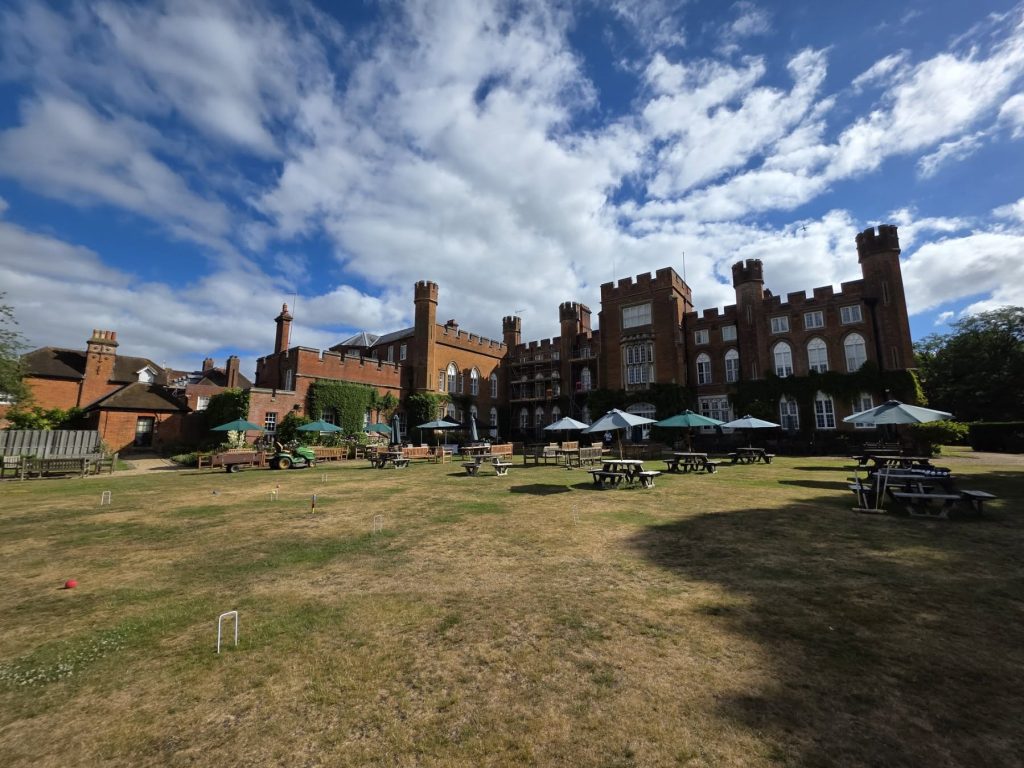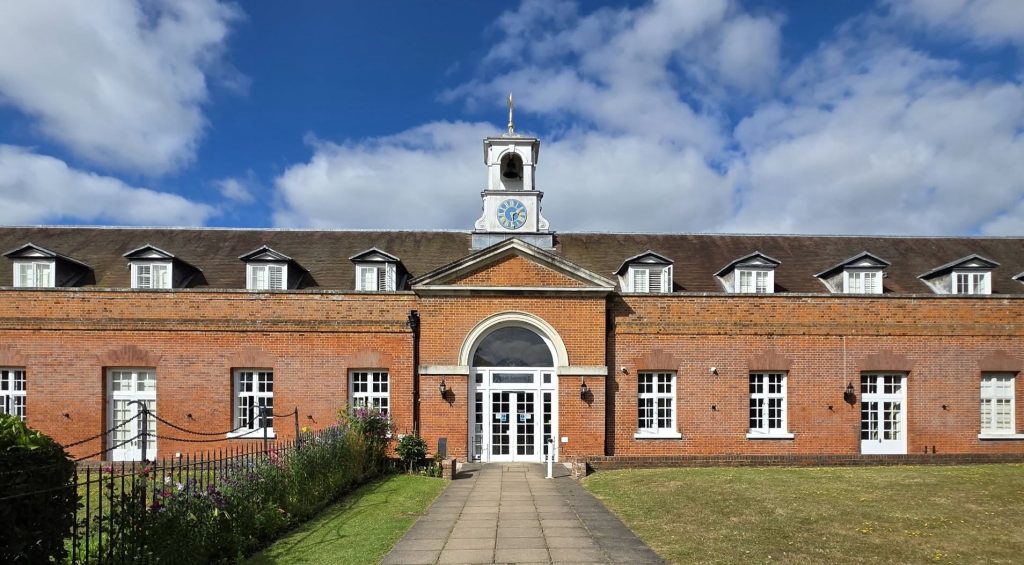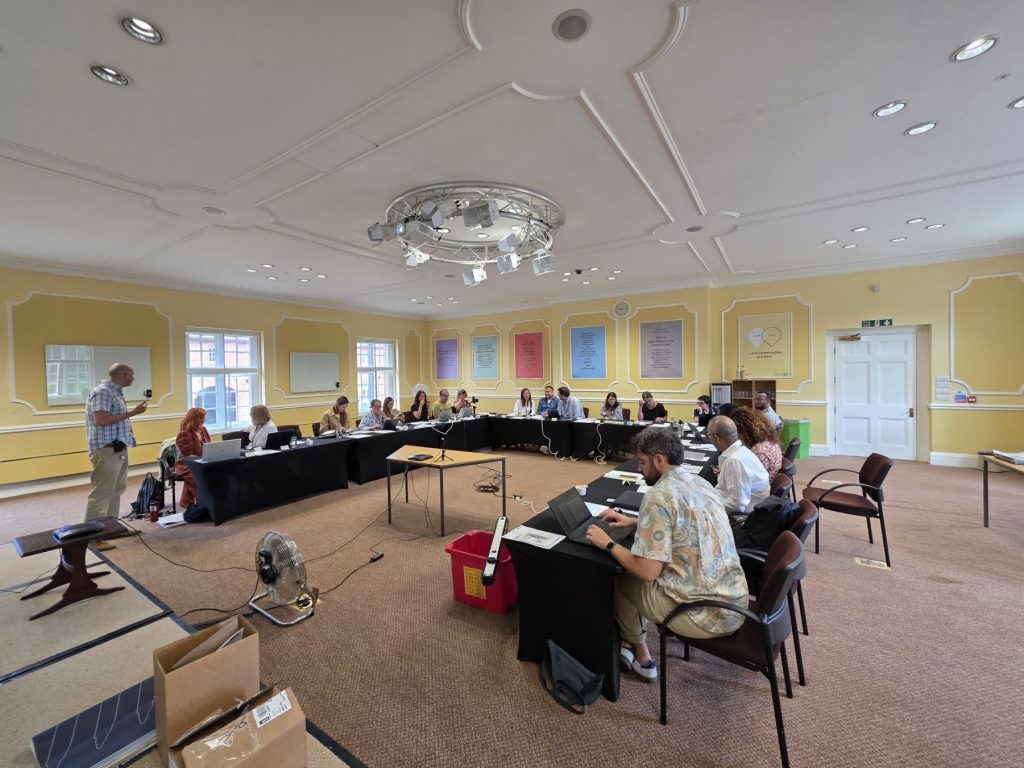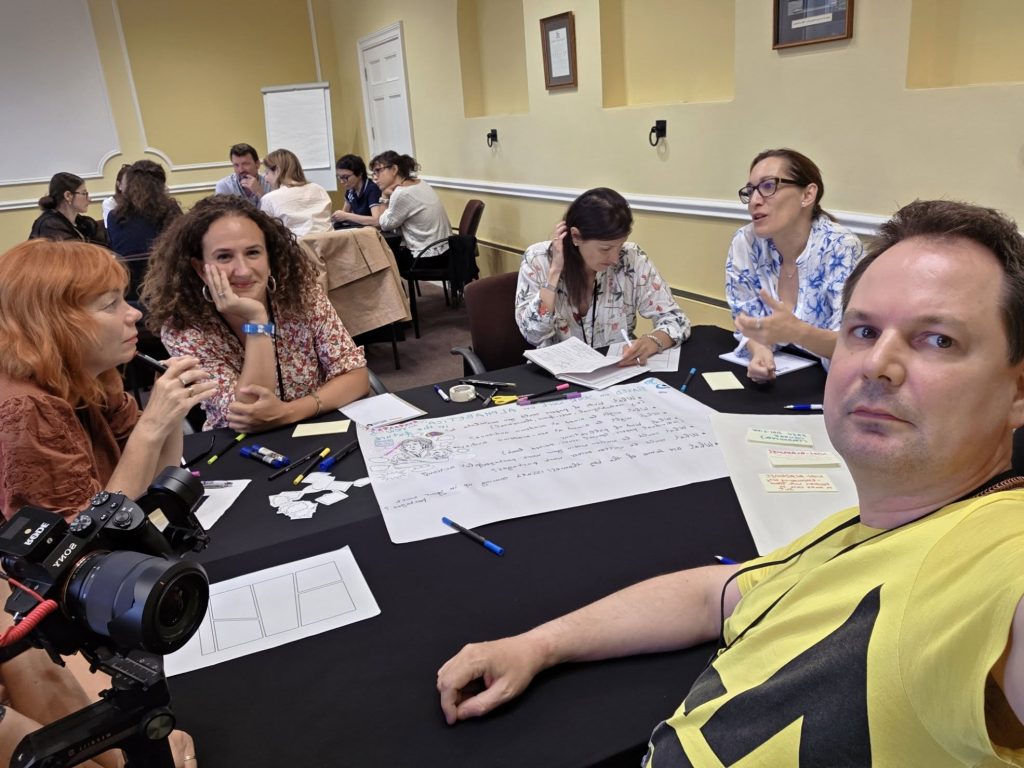
In the beautiful surroundings of Windsor Great Park, on the outskirts of London, in the unique setting of Cumberland Lodge, another two-day meeting of the ALPHABETICAeu project partners has begun.
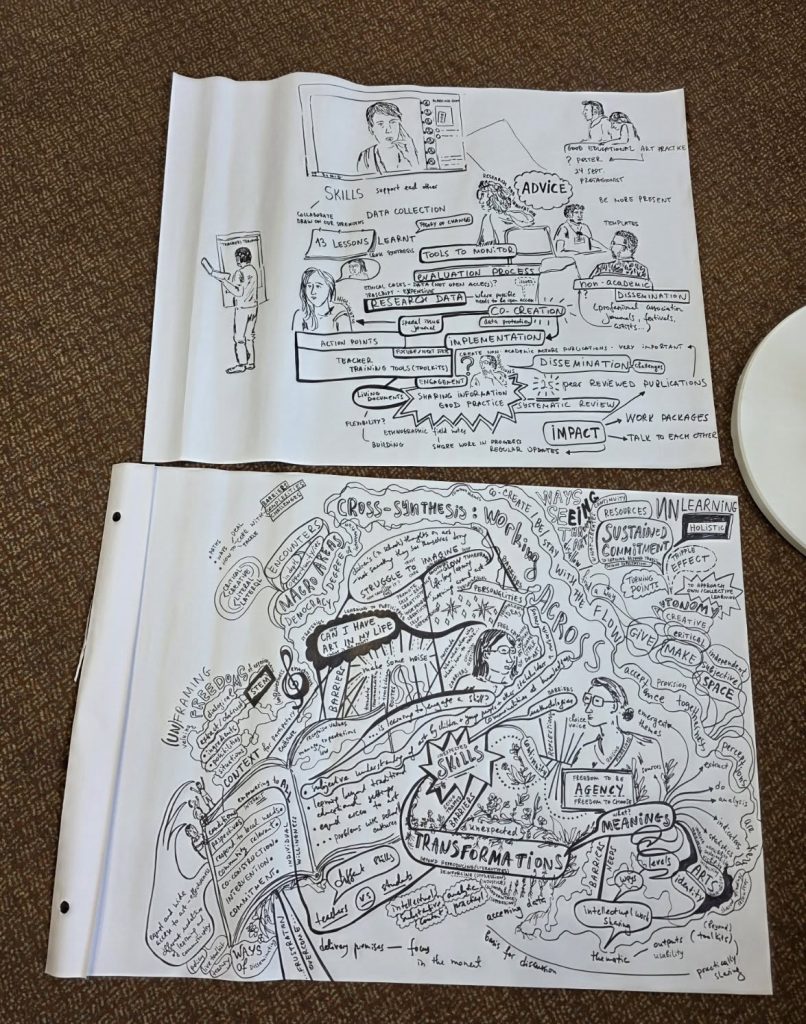
On the first day, we focused on summarising the work carried out so far and planning the next stages of the project. We discussed the results of the evaluation of the first 15 months of ALPHABETICA, as well as the plans for the next 18 months — from research, methodological, and practical perspectives.
A significant part of the discussion was devoted to reflecting on the challenges that arise when working with children, young people, schools, and local communities. We discussed methodological and organisational issues, ways of implementing participatory activities, and how to maintain coherence between the theoretical assumptions of the project and the everyday practice of its implementation.
One of the key topics was the Theory of Change and its implementation within the project. We reflected on how it can be translated into concrete pilot activities, co-creation processes, evaluation of results, and long-term thinking about the impact of art and arts-based education on the experiences of children and young people.
Living Labs were also an important element of the meeting. They were understood as spaces for cooperation, experimentation, and the joint search for solutions to concrete problems observed during the pilots or identified through the diagnosis of local community contexts. We discussed how they should be designed and implemented, whom they should serve, and how they can strengthen the real influence of children, young people, teachers, families, and local communities on educational change.
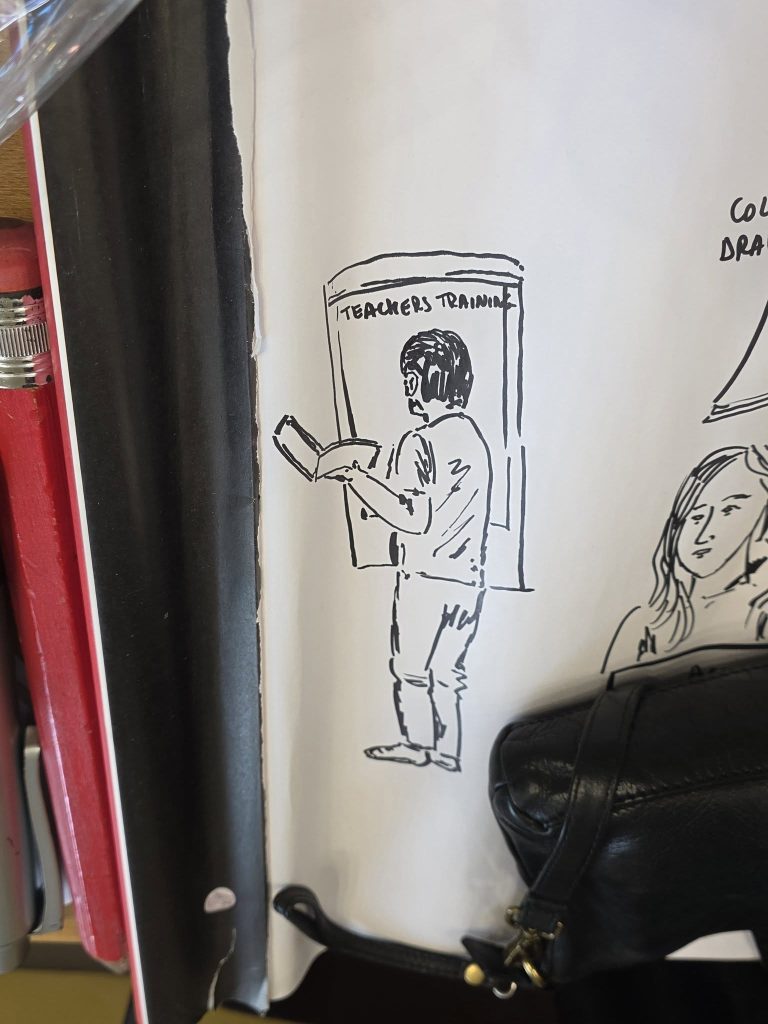
We also discussed the dissemination of the project. We reflected on strategies for sharing the results of ALPHABETICA through both academic and non-academic channels — so that the knowledge developed within the project reaches not only academic audiences, but also non-academic communities for whom the project may offer an opportunity for the change they need and could implement thanks to the results we develop together.
We would like to thank the organisers of the meeting, Oxford Brookes University and The Open University, for creating such an inspiring space for work and co-creation.